
Palletizing fruit, vegetables and refrigerated loads
Exported fruit spends days in a refrigerated container. It is the wettest environment packaging can face, and it is where cardboard fails most.
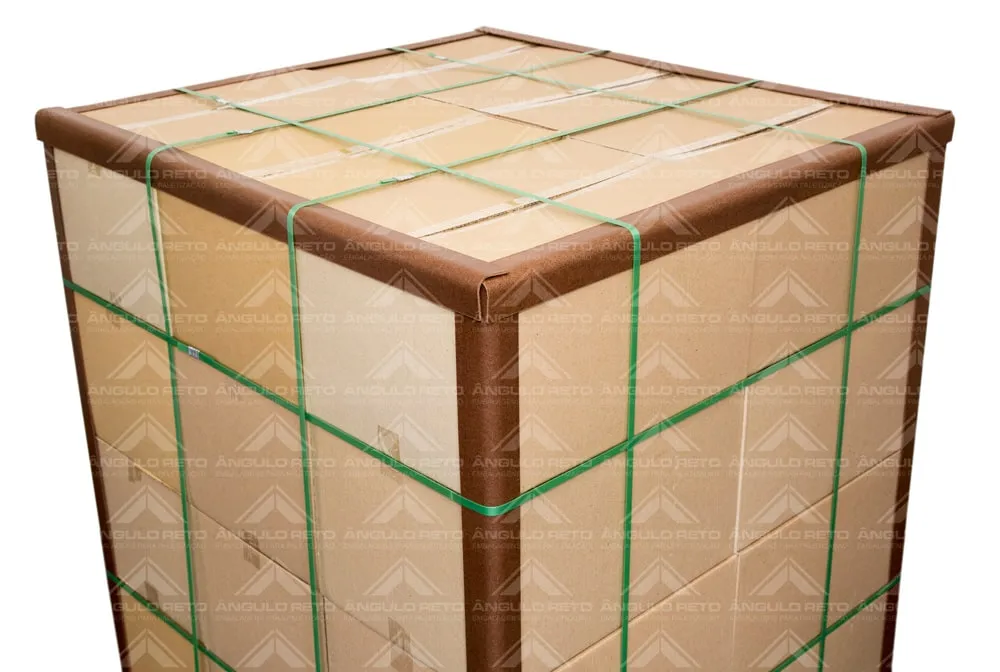
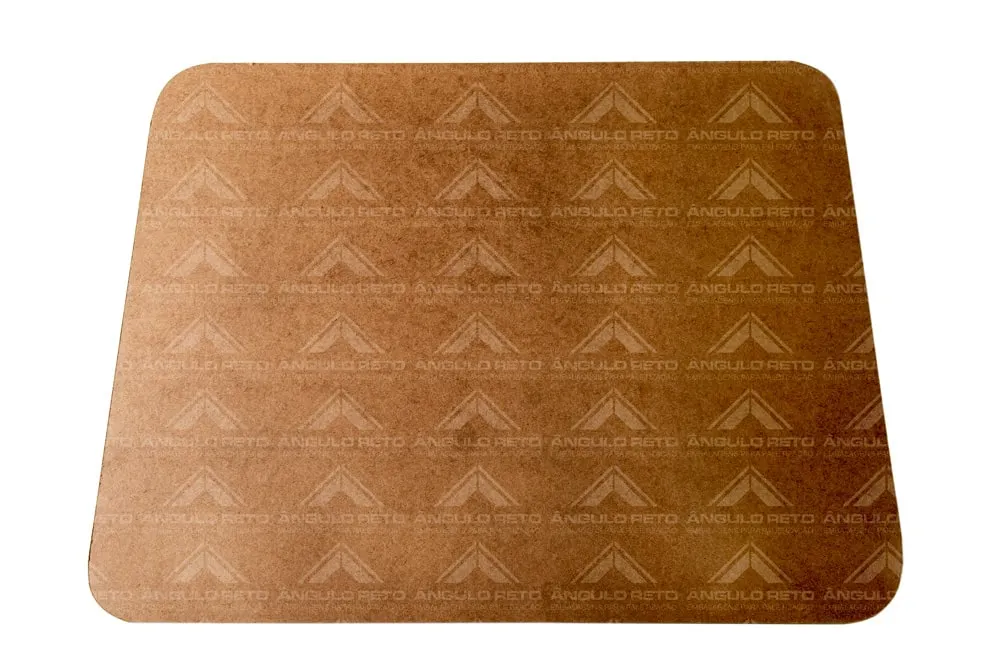
- Chapatex on the baseChapatex covers the pallet base and evenly supports the crates of the first layer.
- Crates on the palletThe fruit crates are stacked in layers.
- Edge protectors on the cornersThey form the columns and top edges and keep the pallet firm, even in the moisture of cold storage.
- Strapping bandsThe band tightens over the edge protectors, without cutting or crushing the crates.
- Stretch filmFinally, the film wraps everything, over the bands, following the shape of the load.
What the industry usually palletizes
- Fruit boxes for export
- Vegetables in boxes
- Loads in cold storage
- Refrigerated containers (reefer)
Where the load is at risk
- Constant moisture
- In cold storage and in the reefer, cardboard edge protectors absorb water and lose their shape.
- Tipping pallets
- With a weakened column, the pallet leans and the bottom boxes get crushed.
- Phytosanitary rules
- Importing countries inspect wood packaging closely.
How hardboard solves it
Hardboard absorbs much less moisture than cardboard and keeps the column firm throughout the refrigerated journey. It is exempt from fumigation under ISPM 15 and safe for contact with food.
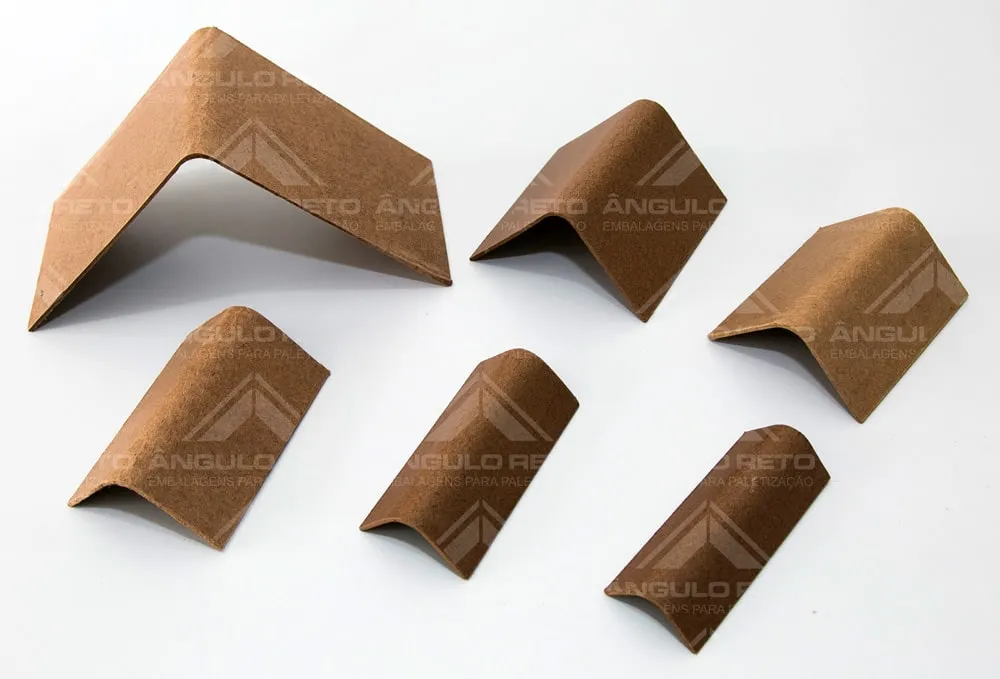
Real applications: fruit loads
Pallets from fruit-sector customers, ready to ship from the cold room. Edge protectors form the four columns, and strapping bands tighten over them without crushing the boxes.
See it in practice
A short video of the application closest to the loads of the fresh produce industry.
FAQ for the fresh produce industry
What we are asked most about protecting this type of load.
See all questionsCan the edge protector handle days in a refrigerated container?
It was made for that. Hardboard absorbs much less moisture than cardboard and keeps the pallet column firm throughout the refrigerated journey. The photos on this page show real fruit pallets ready for shipping.
Is fumigation required to export fruit?
Hardboard packaging does not need it: as processed wood, it falls outside the fumigation or heat treatment requirement of ISPM 15, section 2.1. This avoids problems with phytosanitary inspection in the destination country.
Does it work with plastic and cardboard boxes?
It works with both. The edge protectors form the four pallet columns, and the strap tightens over them without crushing the boxes. The type of box does not change the application.
Is hardboard safe near fruit?
Yes. It has no glue, chemical resin or formaldehyde: it is 99% reforested wood and water. It is reusable, recyclable and biodegradable.