
Packaging for auto parts and the automotive industry
Auto parts are heavy, irregularly shaped and travel far, often abroad. The packaging must lock the load in place and clear customs without delay.
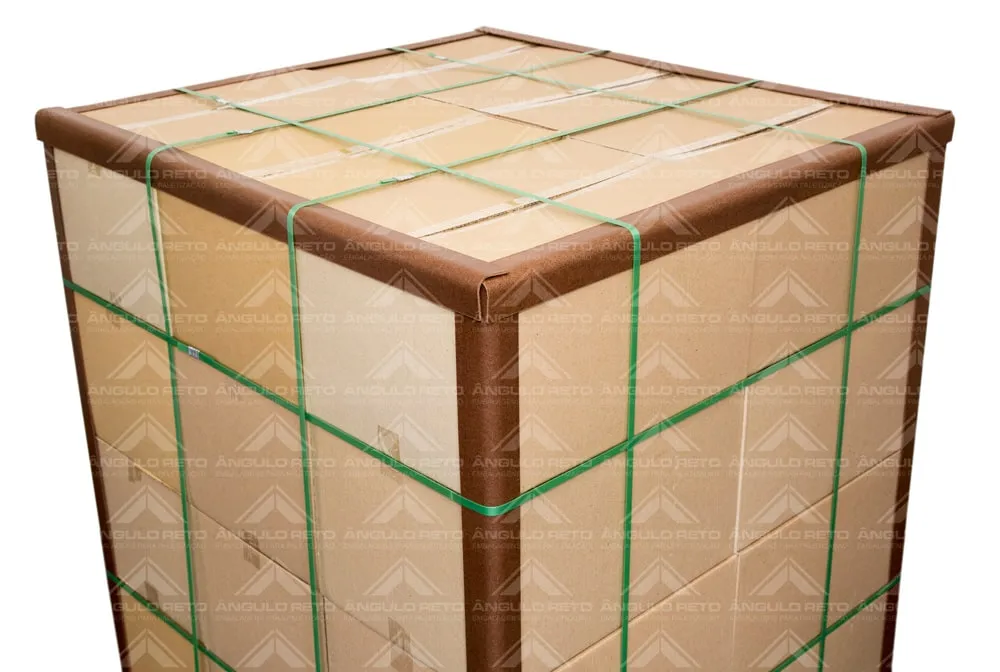
- Boxes on the palletThe auto parts boxes are stacked in layers.
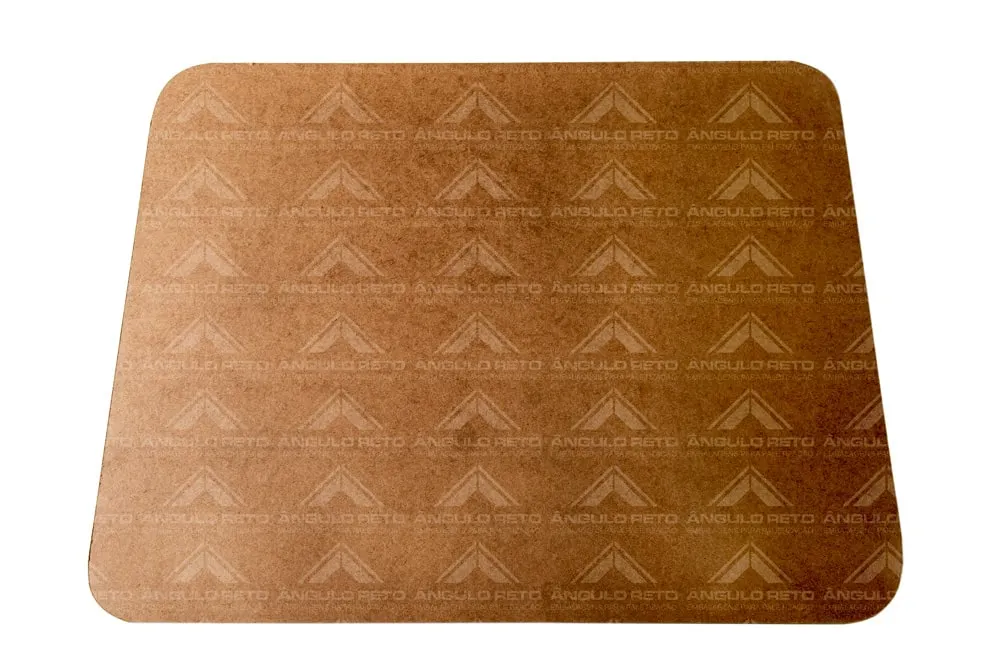
- Chapatex between the layersThe layer pad locks each layer of boxes and keeps the load from sliding.
- Chapatex on topSpreads the pressure of the strapping bands over the top layer.
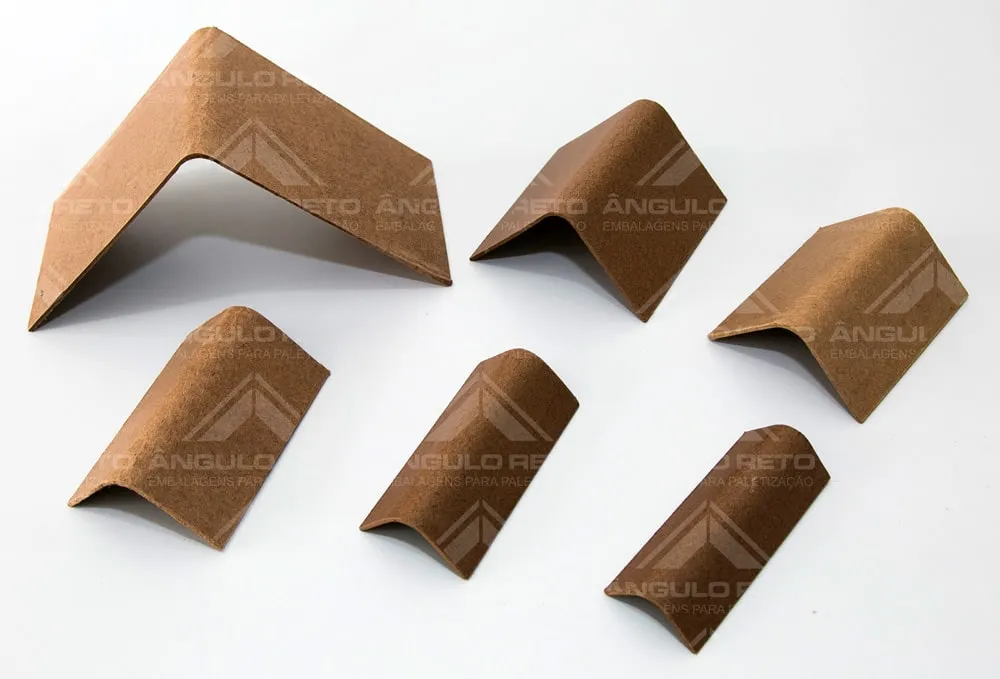
- Edge protectors on the cornersThey form columns, increase stacking strength and protect the corners during handling.
- Strapping bandsThe band tightens over the edge protectors, without cutting or crushing the boxes.
- Stretch filmFinally, the film wraps everything, over the bands, following the shape of the load.
What the industry usually palletizes
- Components and auto parts in boxes
- Heavy metal parts
- Kits for automakers (CKD)
- Export loads in containers
Where the load is at risk
- Weight and vibration
- Heavy parts strain the box corners throughout the journey.
- Internal shifting
- Irregular shapes move inside the packaging if they are not locked in place.
- Fumigation for export
- Solid wood requires treatment under ISPM 15. That costs time and money.
How hardboard solves it
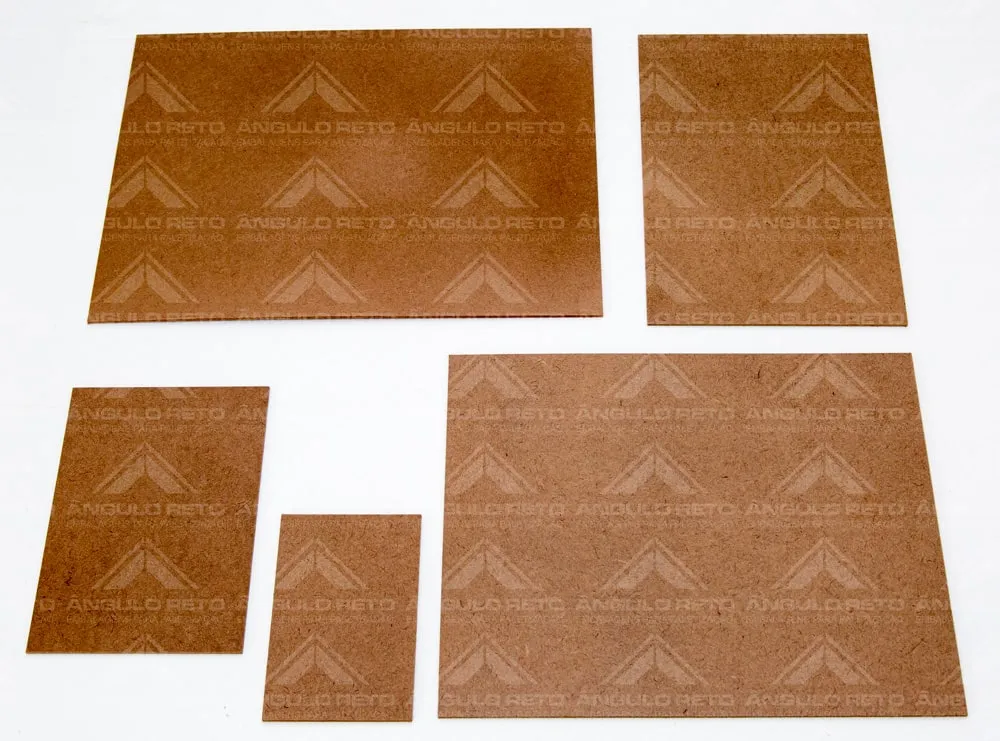
Edge protectors reinforce the corners and also work as bracing inside the boxes. Chapatex separates the layers, and cut-to-size hardboard makes dividers inside the boxes. Because it is processed wood, all of it ships abroad without fumigation.
See it in practice
A short video of the application closest to the loads of the automotive industry.
FAQ for the automotive industry
What we are asked most about protecting this type of load.
See all questionsDoes hardboard packaging clear customs without fumigation?
Yes. Hardboard is processed wood and falls outside the fumigation or heat treatment requirement of ISPM 15, section 2.1. For CKD kits and auto parts in containers, this removes a step from the shipment.
Does the layer pad work with tires?
Yes. A Chapatex board between the layers holds the tires in place and reduces friction between them. The standard size is 1,000 × 1,200 mm, and we make custom sizes from 300 pieces.
Which edge protector leg size should I use for heavy parts?
It depends on the box size and the load height. We make legs from 40 to 200 mm, 2.5 or 3 mm thick and 100 to 2,750 mm long. Special leg sizes go up to 500 mm, on request.
What goes on the base and the top of the pallet?
Chapatex. On the base, it covers the gaps in the pallet and evenly supports the first layer; on top, it spreads the pressure of the strapping bands. The standard size is 1,000 × 1,200 mm, with a minimum order of 300 pieces.